
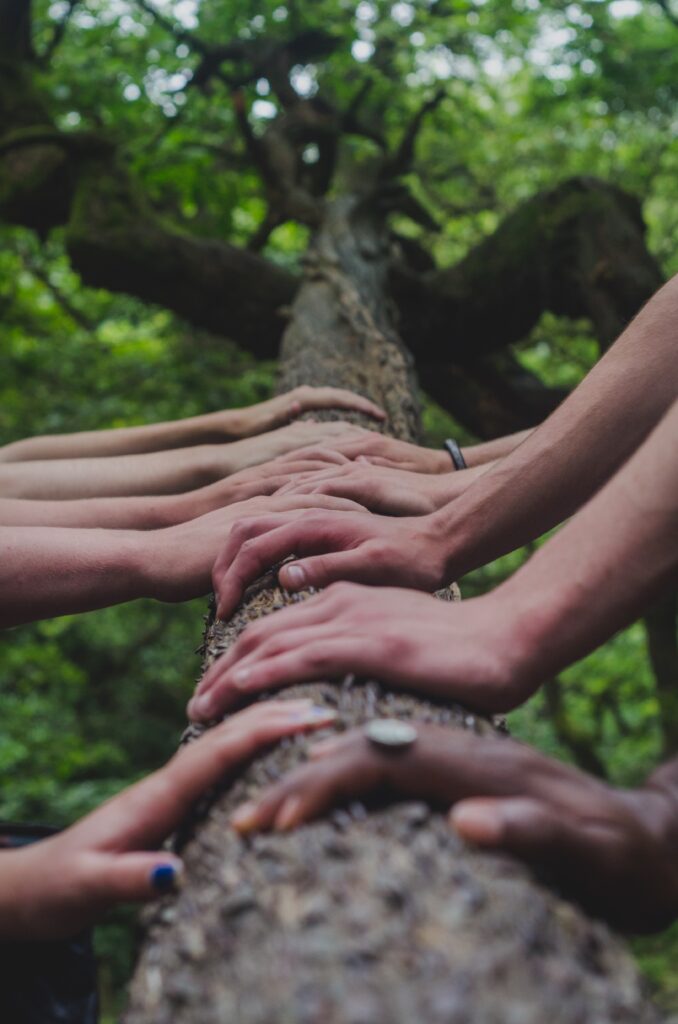
Figure 9: Shane Rounce. ca. 2018. No title
Week 4
Some years ago, when I was studying for my bachelor’s degree at the university, our department organized an event in order to create a sense of community by bringing together all the students and teachers of Marketing. The event was called ‘ME into WE’, a name that was inspired by it’ s purpose – to create a strong community – as well as by the initials of the department’s title ‘Marketing and Communication’ (Communication in Greek is ‘Epikinonía’, so M & E makes ME). It included lots of artistic activities, like drawing, role-playing and crafting, as well as a performance of Playback Theatre. Playback theatre was invented by Jonathan Fox and is a form of improvisation which can take place in any location and in which the audience tell stories from their lives and watch them come to life by the actors right away.
In this form of theatre ‘the audience is a protagonist, a partner, rather than a passive spectator’ as stated by David Blinder in his Ted talk The arts festival revolution (Blinder 2012). It was incredible to see how this process affected the audience – us, both during the event and afterwards. It indeed brought us all together and created the sense of community, as art is a way for people to express what is very personal and truly connect with others. Sharing personal experiences through the arts, is a powerful way of bonding and building memories with other people. It was amazing to see how we all connected to each other, people from all kinds of backgrounds and age groups. And this was not a connection that happed only during the event, but a stronger bond that lasted so that friendships and partnerships would be developed later on. If we consider our Marketing department as a small representation of society, this event ‘provided a neutral space in which friendships can develop’ (Matarasso 1997).
Also, this experience, encouraged students and teachers to become more active members of the department and to co-operate with each other. It was a transformative experience, as it managed to bridge the gap of the two groups; students and teachers, by helping both parts recognize the contributions of others in the department’s community. And it also contributed in a personal level, serving as a way for people’s imagination and vision to flourish. It encouraged us to take positive risks, such as sharing personal stories for the playback performance, which was both liberating and enjoyable.
All the above, strongly relate to what David Blinder calls ‘the new face of arts festivals, which break the boundary between audience and performer and help cities express themselves’ (Blinder 2012), as
- The audience plays an essential role in shaping the performance
- There is innovative use of site and use of different location, as performance can happen anywhere.
References
BLINDER, David. 2012. ‘The arts festival revolution’ [online lecture]. TedTalks. Available at: https://www.ted.com/talks/david_binder_the_arts_festival_revolution?language=en [accessed 6 March 2022]
USE OR ORNAMENT? The social impact of participation in the arts, Francois Matarasso, Comedia 1997